Product guide
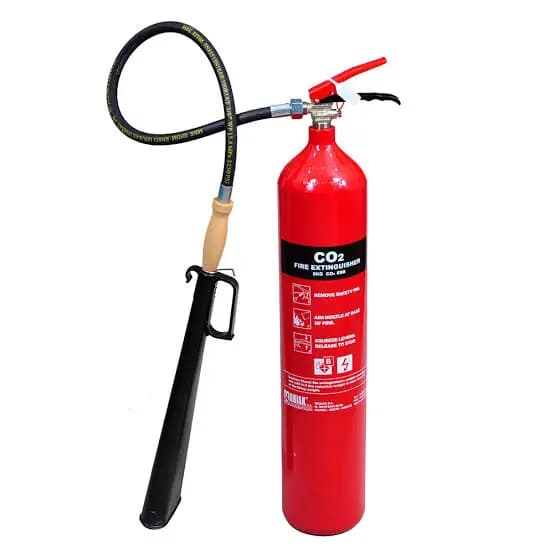
The AJ Safety Solutions 2kg CO2 Portable Fire Extinguisher is an advanced, small, hand-held fire extinguishing tool specifically used for suppressing electrical hazards and flammable liquid fires. It utilizes CO2 (carbon dioxide) at high pressures to put out fires while leaving behind zero chemical residue and will not damage electronics.
The AJ Safety Solutions product description for the 2 kg CO2 fire extinguisher lists the technical specifications for this unit.
Extinguishing Agent: Carbon Dioxide (CO₂) stored as a high-pressure liquid
Capacity: 2 Kilograms (± 5%)
Discharge Time: Approximately 8 to 12 seconds
Effective Throw Range: 1.5 to 2 meters
Operating Temperature: -20°C to +55°C
Cylinder Material: Made with seamless steel so it can safely withstand the extreme structural pressures.
This extinguisher is standard issue for environments with sensitive equipment. Carbon Dioxide gas replaces oxygen, thereby putting out the fire, as well as being a cool agent.
Electrical fires (class c) are extinguished by starving the fire of oxygen through the use of co2 which is a completely non-conductive gas.
The effective use of Class B fire extinguishers is for putting out fires caused by flammable liquids such as gasoline, diesel fuel, and oils.
The locations where these types of products are found include office buildings, retail stores, computer laboratories, server rooms, commercial kitchens, and light manufacturing plants.
No Pressure Gauge: Unlike Dry Chemical Powder (DCP) units, CO₂ fire extinguishers don't use pressure gauges. The internal pressure of the unit stays the same while there is still liquid inside; therefore, the user should check the condition of the unit by weighing the cylinder's gross weight instead of reading a needle.
Avoid Small/Unventilated Areas: When you are using the full 2kg cylinder, do not release all of it at once into a small or poorly-ventilated area because a large amount of CO₂ released in this manner will pose a serious threat to human health through oxygen deprivation.
Freeze Burn Warning: During use, the gas is discharged through the black discharge horn at extreme low temperature (-78.5 degrees Celsius). To avoid extreme cold skin burns, use only the handle or grip provided, and do not make direct contact with the bare frost horn while operating.
Limitations: This type of extinguisher should not be used on Class A solid fires (wood, paper) or Class F/K cooking grease fires. The pressure from the carbon dioxide can cause the burning material to disperse, which may increase the size of the fire.
What is a CO2 Fire Extinguisher Used For?
Class B fires: Flammable liquids such as petrol, diesel, and paint.
Electric Fires: live electric equipment, computers, computer servers, generators, and control panels.
Do not use on: Class A fires (wood, paper, textiles) where it is ineffective; Class F fires (cooking oils and grease) where it may result in an explosion.
What are the details of a 2 kg CO2 Fire Extinguisher?
Agent Weight: 2 kg nominal charge of pressurized carbon dioxide.
Total Weight: approximately 5-6 kg, depending upon if the frame is made from steel or a lighter weight aluminum.
Stored as: A liquid at a very high pressure (approx. 55 bar/750 - 825 psi). The product has a high-pressure brass forged valve with no pressure gauge.
Discharge & Reach: This unit includes a discharge horn (no pressure gauge, black band/tag) with a reaching/throwing distance of approximately two meters.
How Does a CO2 Fire Extinguisher Work?
In this process, pressurized liquid CO2 is released as a cold gas and dry-ice "snow" cloud. This is an example of oxygen displacement.
Smothering: Carbon dioxide is more dense than air and can form a "blanket" over the flames. This will push away oxygen that is necessary to sustain combustion, or reduce the concentration of oxygen around the fire.
Cooling: The rapid expansion lowers the gas temperature drastically (approximately -60°C), helping to extract heat from the fuel.
Residue-Free: It will leave no water, foam or powder that could potentially damage sensitive electronic components.
Which is Better, CO2 or DCP Fire Extinguisher?
There are no absolute "best" types of flooring – each serves a specific function and some facilities use them together:
CO2 Extinguishers:
Best use cases: This is best used in an office/indoor setting with flammable liquids, electrical hazards and the requirement of no mess cleanup or equipment degradation.
Disadvantage: Cannot be used effectively against most common fire types (i.e. paper, wood) and may create either an asphyxiation danger or cause a frostbite-like injury when improperly used in a confined space.
Best suited for: Indoor/office electrical hazards and flammable liquid fires where you want to avoid a mess and equipment damage.
Downside: Not effective against common combustibles (paper/wood) and can cause suffocation or frostbite if used improperly in enclosed areas.
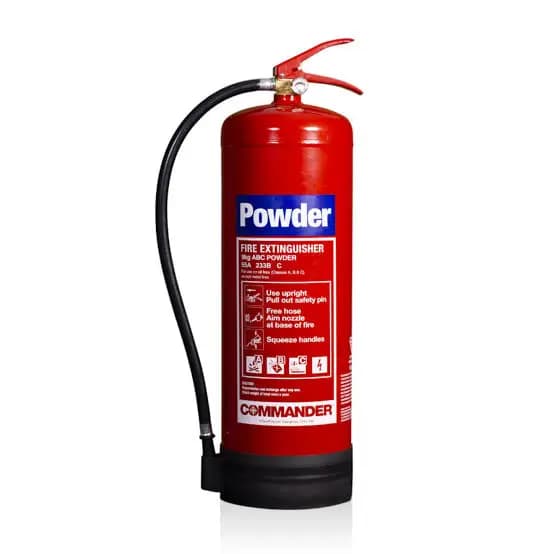
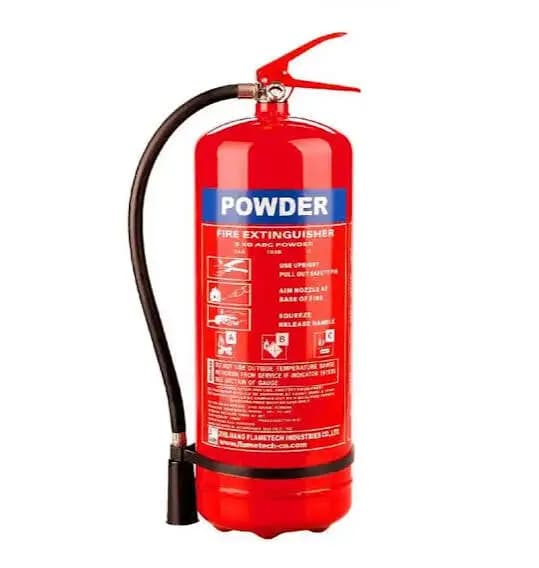
DCP (Dry Chemical Powder) Extinguishers:
The best type of fire extinguisher for general purpose use (Class A, B & C fires, e.g. wood, paper, gasoline, and propane) in open spaces, workshop environments, and vehicles.
Downside: This type of fire extinguisher will produce a thick, corrosive, and messy powder after use which may cause damage to computer systems, and other types of electronics as well as affect the ability to see clearly or breathe properly after being used.
Best for: General purpose multi-use coverage (Class A, B, and C fires such as wood, paper, gasoline, and propane) for use in open space, workshop, and vehicle applications.
The downside is that it leaves behind a large amount of corrosive, sticky, and messy powder after it discharges. This powder has the potential to damage computers and other delicate equipment, as well as make it difficult to see or breathe once the unit discharges.
No reviews yet
Be the first to review Fire Extinguisher CO2 2kg